

The Things We Consume Eventually Consume Us
why “faith over fear” means something different to me now


When I was younger, phrases like “faith over fear” became cliche to me. You see those words everywhere, printed on shirts, coffee mugs, signs, etc.. Repeated so casually and commercially that eventually the phrase itself can start feeling hollow, more like aesthetic branding than spiritual truth. Repeated language can create a kind of psychological desensitization because the human mind gradually stops reacting to phrases it encounters constantly. Overexposure flattens emotional impact over time, and eventually even meaningful truths can begin feeling emotionally distant simply because they have become overly familiar. At least that is how it worked on me for a long time.
Part of what happens when phrases become endlessly commercialized and repeated is that their meaning gets dulled. Over time we stop engaging with the actual truth inside the words because they become so familiar they start functioning more like decoration than something meant to be wrestled with seriously. We do this culturally all the time. We flatten ideas through repetition until they no longer disturb us, challenge us, or demand anything from us emotionally or spiritually.
After my mom married a man whose family was very religious when I was young, I started attending church regularly. And parts of church culture are what eventually pushed me away from God for many years. I still believed in Him somewhere deep down, but I no longer felt close to Him. My faith became buried beneath hurt, confusion, distance, resentment, and fear itself. During that period of my life I drifted spiritually in ways that are difficult to fully explain unless you have experienced what it feels like to believe in God intellectually while feeling emotionally disconnected from Him almost entirely.
During the season where I slowly began finding my way back toward God again, tiktok genuinely helped me in some ways. I encountered scripture there, testimonies, conversations about Christ, and people speaking openly about spiritual life in ways that deeply encouraged me during a period where I was trying to reconnect with God after years away from Him. In many ways, it strengthened my faith and reminded me that my relationship with God was not actually dead simply because it had become buried beneath years of hurt and emotional exhaustion.
It was something that going to church just didn’t do for me. And I know that might sound strange to some people, but many church environments had started feeling spiritually flat to me long before I found my way back toward God online. Everything felt too large, too distant. People say hello, shake hands, sit beside one another for a bit, then disappear back into their separate lives again. Part of what my soul was searching for during that season was not information about God, but honesty, vulnerability, communion, and the feeling that people were actually wrestling openly with spiritual life together.
That is part of why I feel conflicted speaking about platforms like tiktok now, because I do not believe things are ever entirely good or entirely evil. We are rarely simple beings. Neither are the systems we create. God can move through broken places and can reach people through deeply imperfect environments. I know that because there were conversations online that strengthened my faith during one of the most vulnerable seasons of my life.
But once my faith became much stronger, I started noticing something else happening too.
Every time I opened the app, I began feeling spiritually and emotionally attacked. It was all very overwhelming. And the stronger my relationship with God became, the more I started noticing how heavily certain forms of content were being force-fed to me.
I started encountering really disturbing content that felt spiritually dark to me in ways I still struggle to fully explain. I do not even particularly enjoy speaking openly about experiences like this because people, including many Christians, are often quick to dismiss you as irrational, unstable, or “crazy” the moment conversations about spiritual darkness move beyond what feels culturally comfortable or intellectually explainable.
I won’t lie there were periods of my own life where I would have reacted similarly. But I also think we have become so materialistic and psychological reductionist that many of us struggle to leave room for the possibility that spiritual influence is always at work. Especially through the constant exposer of fear, obsession, despair, and environments online and offline that constantly amplify darkness back into our minds.
There are seasons where, the closer you grow toward God, the more intensely certain forms of temptation, fear, confusion, despair, distraction, and heaviness seem to push back against your peace.
Ephesians 6:12 says:
“For we do not wrestle against flesh and blood, but against principalities, against powers, against the rulers of the darkness of this age”
I know many people, including myself at one point, hear verses like that and immediately reduce them to metaphor, psychology, or symbolism but I believe spiritual darkness is very real. There were periods of my life where fear consumed me that I almost went in the opposite direction entirely and convinced myself evil, demons, and spiritual warfare simply did not exist at all. Looking back now, part of that was psychological self-protection. I thought that if I denied the existence of spiritual darkness altogether, then perhaps it could no longer affect me. But in time I realized refusing to acknowledge darkness does not make it right powerless. It only leaves us spiritually unprepared to confront it.
I believe there are forces in this world that seek confusion, fear, destruction, obsession, despair, hatred, division, addiction, and instability because those things distort us away from peace, wisdom, communion, and trust in God. Real spiritual maturity, at least from what I am still learning myself, is not pretending darkness does not exist, but learning how to remain grounded in faith without becoming consumed by fear itself. I believe fear is one of the most powerful forces among them.
When we become consumed by fear, we gradually lose the ability to discern clearly because fear conditions the mind to always anticipate danger, and over time darkness begins feeling more believable than goodness itself. After awhile, even ordinary things can begin feeling charged with danger. Anxiety starts influencing the way we interpret the world, other people, God, and even ourselves.
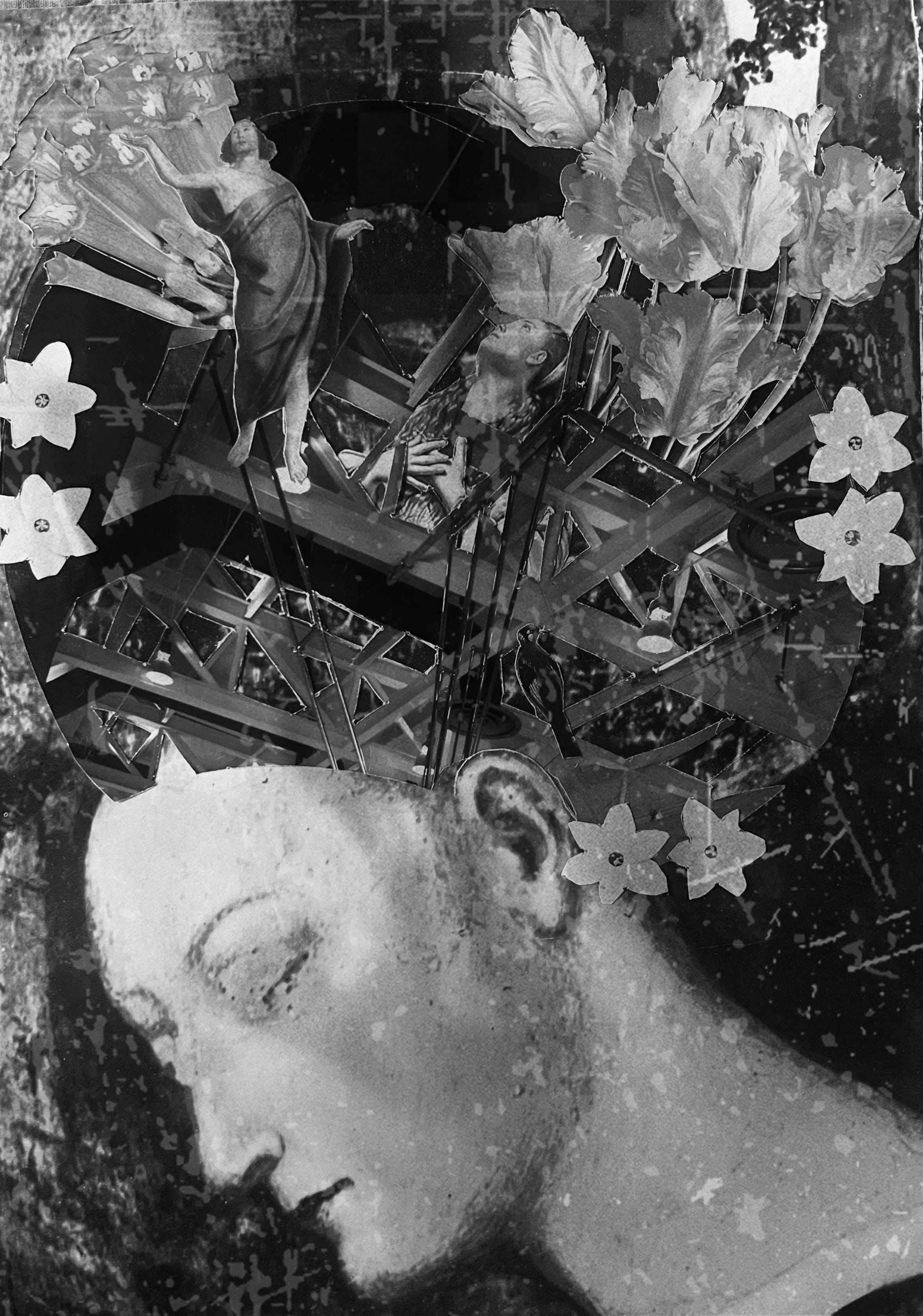
“For God has not given us a spirit of fear, but of power and of love and of a sound mind.” (2 Timothy 1:7)
A sound mind.
Maybe this is why scripture speaks so often about guarding the mind. Even the armor of God in Ephesians is deeply connected to stability, faith, truth, and peace. The imagery is spiritual, but also deeply psychological because fear, confusion, despair, and deception slowly distort the way a person understands both themselves and reality. The helmet of salvation, the shield of faith, the belt of truth; these are not random symbols. They point toward the reality that human beings are shaped by whatever governs them inwardly. Many of us underestimate how much fear can slowly erode peace, trust, and good judgment if it remains unchecked long enough.
We are living inside systems that constantly reward emotional agitation and instability. Algorithms reward outrage, fear, paranoia, tribalism, envy, lust, obsession, catastrophe, vanity, and anger because emotionally charged people remain easier to keep consuming endlessly. Fear keeps us emotionally reactive and exhausted in ways that make genuine peace increasingly difficult to maintain, and many of us are living inside states of chronic overstimulation without even recognizing it anymore.
After a while I started realizing I was consuming far more fear than peace.
I do not believe every fearful thought is demonic, and I do not believe every negative experience is spiritual warfare. We sometimes damage our own discernment when we begin labeling absolutely everything evil. But I do believe there are environments where darkness gains influence precisely because fear, outrage, despair, vanity, addiction, paranoia, and emotional instability are being amplified there.
Many of us underestimate how deeply repeated emotional exposure shapes us over time. We become what we consume much more than we like admitting.
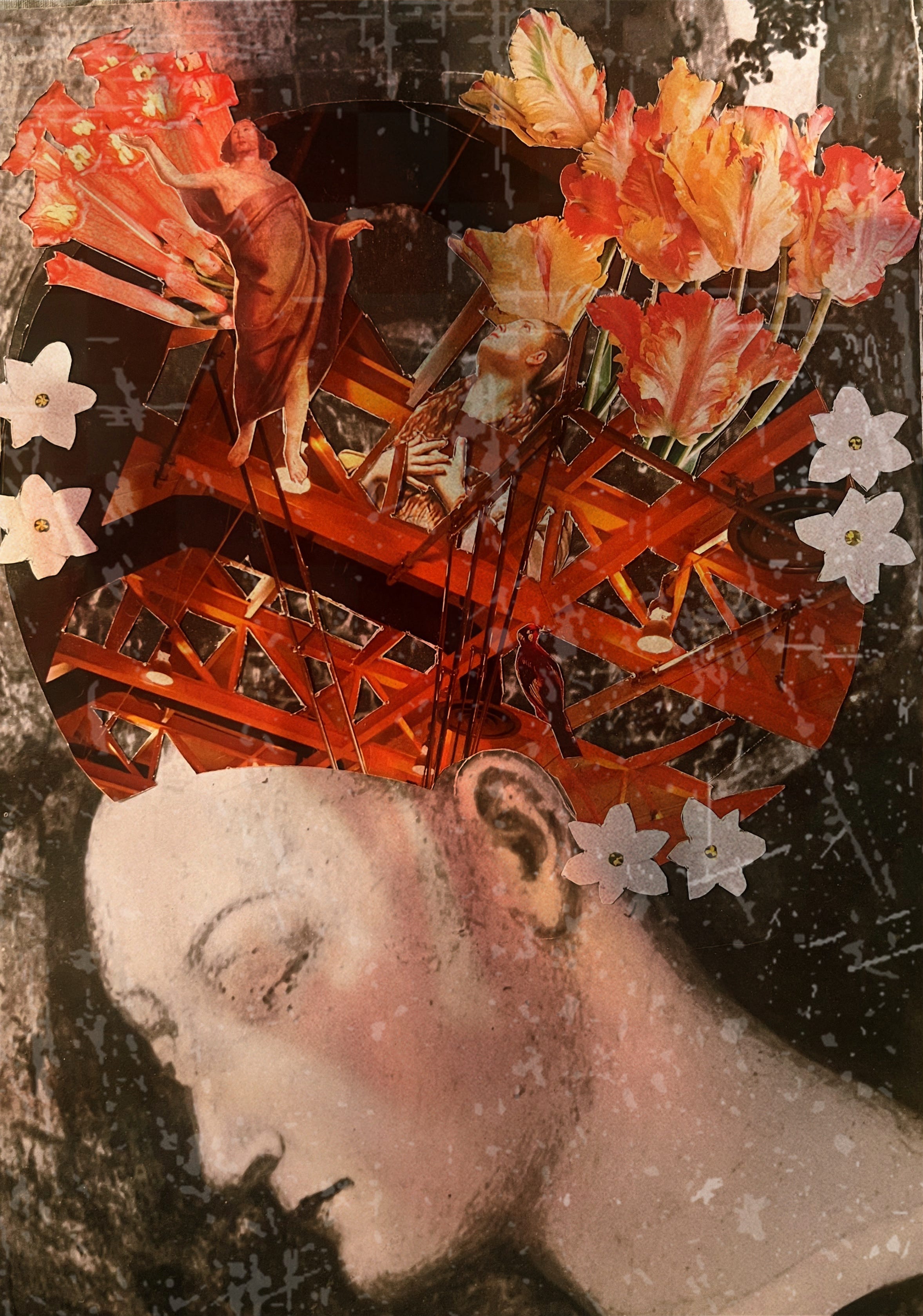
Romans 12:2 says:
“And do not be conformed to this world, but be transformed by the renewing of your mind”
The renewing of your mind.
Thoughts become desires, desires become habits, habits settle into identity, and eventually even worship is affected by whatever has been governing us inwardly for long enough. What we repeatedly expose ourselves to slowly begins influencing us whether we realize it or not.
That was the part that frightened me most, just how quickly fear could begin discipling my thoughts if left unchecked long enough.
In time I realized that the app that once helped strengthen my faith was no longer bringing me peace anymore. I would open the app feeling spiritually grounded and leave feeling mentally overwhelmed, suspicious, anxious, emotionally reactive, and restless.
After enough time, fear reshapes how we interpret reality because the mind begins anticipating darkness everywhere once it has been conditioned to consume it constantly. A fearful mind struggles to rest or trust. It struggles to discern clearly because fear slowly narrows perception until survival becomes the dominant lens through which everything else is filtered.
I believe with all my heart that this is why the Bible speaks so often about peace. We are not called to pretend evil does not exist, but fear becomes spiritually corrosive when it begins governing the internal life completely. Fear clouds discernment because discernment requires clarity, stability, wisdom, patience, and trust in God.
For me, part of spiritual maturity is learning that not everything deserves access to your mind simply because it is available to consume.
We sometimes treat endless access as freedom, but we were never designed to absorb infinite amounts of outrage, catastrophe, paranoia, stimulation, comparison, and emotional intensity every waking hour of our lives. I think the soul eventually fractures beneath the weight because we were created for communion, rest, wisdom, prayer, attention, and peace, yet we are being pulled away from those things all the time.
Philippians 4:8 says:
“Whatever things are true, whatever things are noble, whatever things are just, whatever things are pure… meditate on these things.”
Meditate on these things.
Scripture repeatedly calls us back toward mental discipline because what occupies the mind eventually occupies the soul.
So I walked away from tiktok.
Or at least from the version of it that had started consuming so much of my attention and inner life. I still occasionally use it now for making video edits or sharing a friend’s work to support them, but I no longer spend time scrolling or consuming content.
I realized I no longer needed that environment to remain close to God, and I no longer wanted fear discipling my thoughts anymore. The platform had once served a meaningful purpose during one of the most vulnerable seasons of my life, but I began to truly understand that something can help you during one season while still becoming unhealthy to remain inside forever.
And maybe that is why those words mean something very different to me now.
For me faith over fear is spiritual survival.
I believe faith protects us in ways we barely understand anymore. Trust in God steadies perception, interrupts despair, resists obsession, and pushes back against the fragmentation we constantly produce and consume. A grounded faith creates stability inside the mind and spirit that fear simply cannot sustain for long.
That is part of why fear has become such a powerful force among us in the first place. Fearful populations become far easier to manipulate emotionally, divide socially, destabilize spiritually, and keep consuming endlessly without ever reaching genuine peace.
But Christ repeatedly says:
“Do not be afraid.”
Because fear itself becomes a doorway through which darkness distorts the human soul.
I have come to believe part of spiritual maturity is learning how to guard the mind carefully because the soul is shaped not only by what it worships, but also by what it repeatedly consumes over time. And sometimes wisdom looks like walking away from the thing that once helped you because you finally recognize it is no longer helping you remain at peace in Christ anymore.
For me, it was tiktok. Over time I realized it was shaping my mind and spirit in ways I could no longer ignore.
What was it for you?
If this essay resonated with you and you would like to support my writing, poetry, or collage work, you can do so here.
Here’s a peek at part of my collage process for this essay.
I definitely want to get better at recording more of the full process over time because I always love seeing other artists work that way too. Right now though, creating with a toddler running around means most of my process happens in scattered little moments whenever I can find the time for it.:
When I was little “I did not give you a spirit of fear” stuck with me more than anything. I was very much shaped by that idea.
Ephesians 6 is a fascinating verse (principalities, dominions, etc being the powers we battle against). Nowadays we call that “culture,” or “the zeitgeist.” Subtle or invisible bodies of influence. It’s been a topic I’ve been obsessed with for a few years now. Also, the “Body of Christ” is the invisible/subtle body (as a collective) that wars against the others on that principality level.
your work is one of the only windows I have into god.