

Ages Like Rivers
a ghazal

At night when time is blurred and all the centuries draw near the waters
My fragile heart considers the One who holds tomorrow near the waters.
The stars move through their appointed courses indifferent to our empires
Yet kingdoms rise and disappear like footprints near the waters.
I carried questions to the dark believing they were mine alone
But found them scattered through the ages waiting near the waters.
What I call distance may be only another form of blindness
For God sees every wandering current drawing near the waters.
The future travels toward us clothed in unfamiliar names
While the Eternal stands beyond beginning near the waters.
Some rivers spend themselves in deserts some vanish into stone
Yet none escape the gaze of Him who watches near the waters.
I sought to know the course of things before their hour had come
The stream replied by moving onward through the waters.
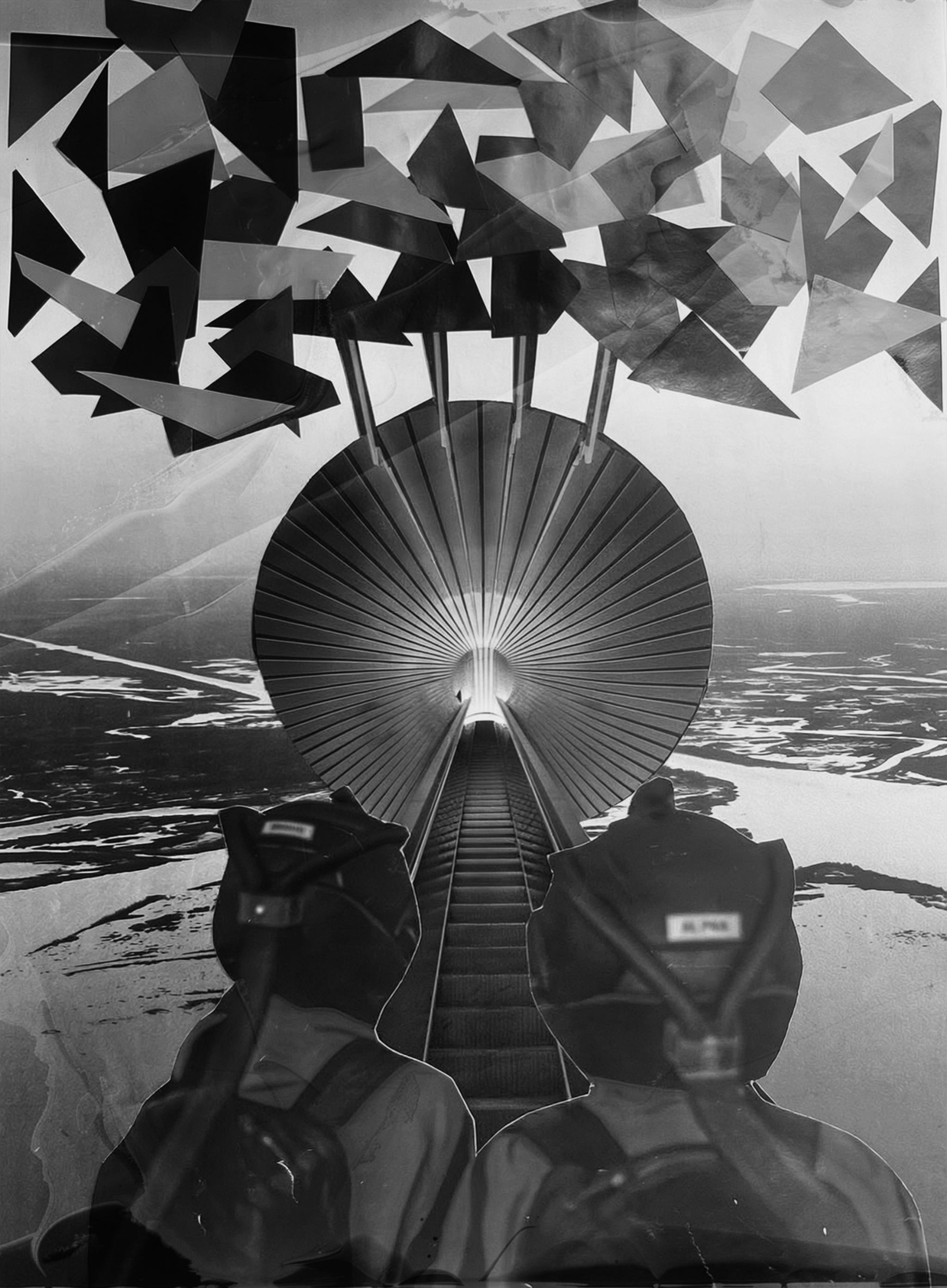
We are creatures of sequence, arriving one moment at a time and calling this movement through time a life.
A child takes a first breath and an old man takes a last and between those two moments entire worlds are built within the human mind. We remember what is gone, attend to what is before us and speculate about what has not yet arrived, but we can never hold all three at once. The past survives as memory. The future survives as imagination. Only the present is ever truly available to us, and even that slips away before we can fully grasp it.
History creates the illusion that centuries can be spread across a table and studied at leisure. Looking backward, the rise and fall of empires appears orderly, almost inevitable. Yet no one living within an age experiences it that way. Every generation inherits uncertainty and mistakes its own horizon for the edge of the world.
Scripture presents a God who does not inhabit time as we do. While we travel its roads, He surveys the whole country. What appears to us as a procession of years, victories, defeats, births, deaths, kingdoms, and revolutions is gathered before Him at once. The stars move through their appointed courses. Nations rise, divide, and disappear. Languages are born and forgotten. God alone is not carried downstream by the ages.
We spend much of our lives trying to borrow tomorrow. We make plans, predictions, and promises in an attempt to secure ground that does not yet exist beneath our feet. Yet the desire to possess the future is often a desire to occupy a place that belongs to only God. The river does not need to see the sea in order to reach it.
The great temptation of humanity has never been ignorance. It has been the belief that enough knowledge could free us from dependence. Yet wisdom begins when we recognize the limits of our sight and entrust ourselves to the One who sees the whole course.
“He has made everything beautiful in its time. Also, he has put eternity into man’s heart, yet so that he cannot find out what God has done from the beginning to the end.” (Ecclesiastes 3:11)
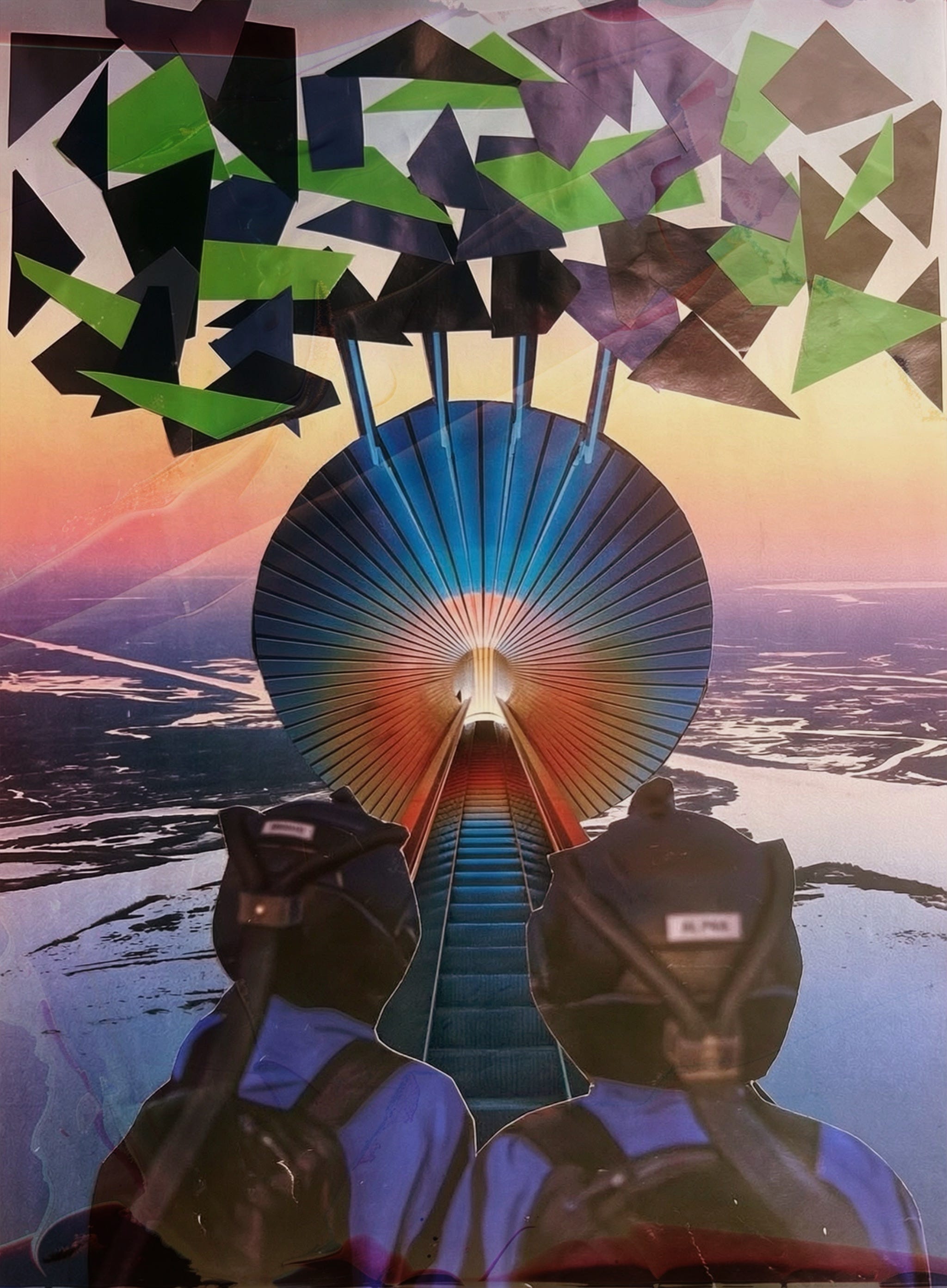
What are your thoughts? Do you think our desire to know the future is rooted in wisdom, fear, curiosity or something else? I would love to hear how you interpret these ideas and whether this reflection resonates with your own experience.
If you would like to support my writing, you can do so here.
This is so good!!! Thank you
Loved this.
Time is an appearance and creation is eternal, with neither end nor beginning. Everything happens “here”, in the ungraspable moment. All recollections of the past exist nowhere but now. And all fantasies or dread of whatever the future may bring live here as well. This means the past is much more malleable than we think it is, and it changes as our context for it changes, which creates new future possibilities.
And all of it happening here, of course.